Research & Knowledge
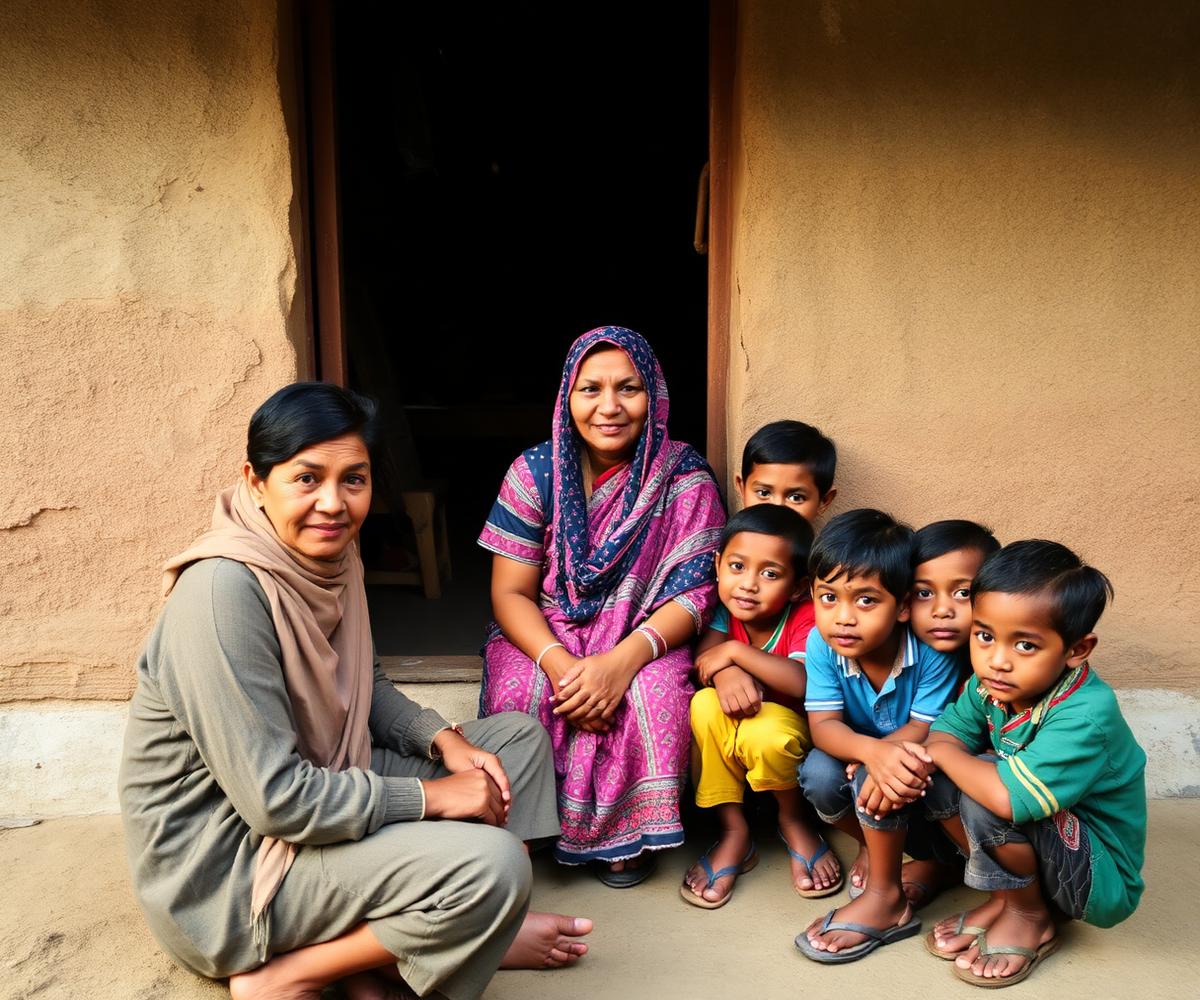
Conduct research and studies on the diversified issues of informal-sector workers.
 Who We Are
HomeNet Nepal (HNN) stands with informal-sector workers, marginalised communities, vulnerable families, people with disabilities, displaced people, disaster-affected communities, and people living in poverty.
HomeNet Nepal was established in 2003 as a grassroots organisation working alongside informal-sector workers and the communities they belong to.
Over more than two decades, HNN has worked as a trustworthy, grassroots-oriented implementing organisation: generating knowledge on the issues facing informal-sector workers, strengthening community leaders and member-based organisations, supporting communities during emergencies, and promoting sustainable livelihoods for vulnerable families in both rural and urban areas.
What We Do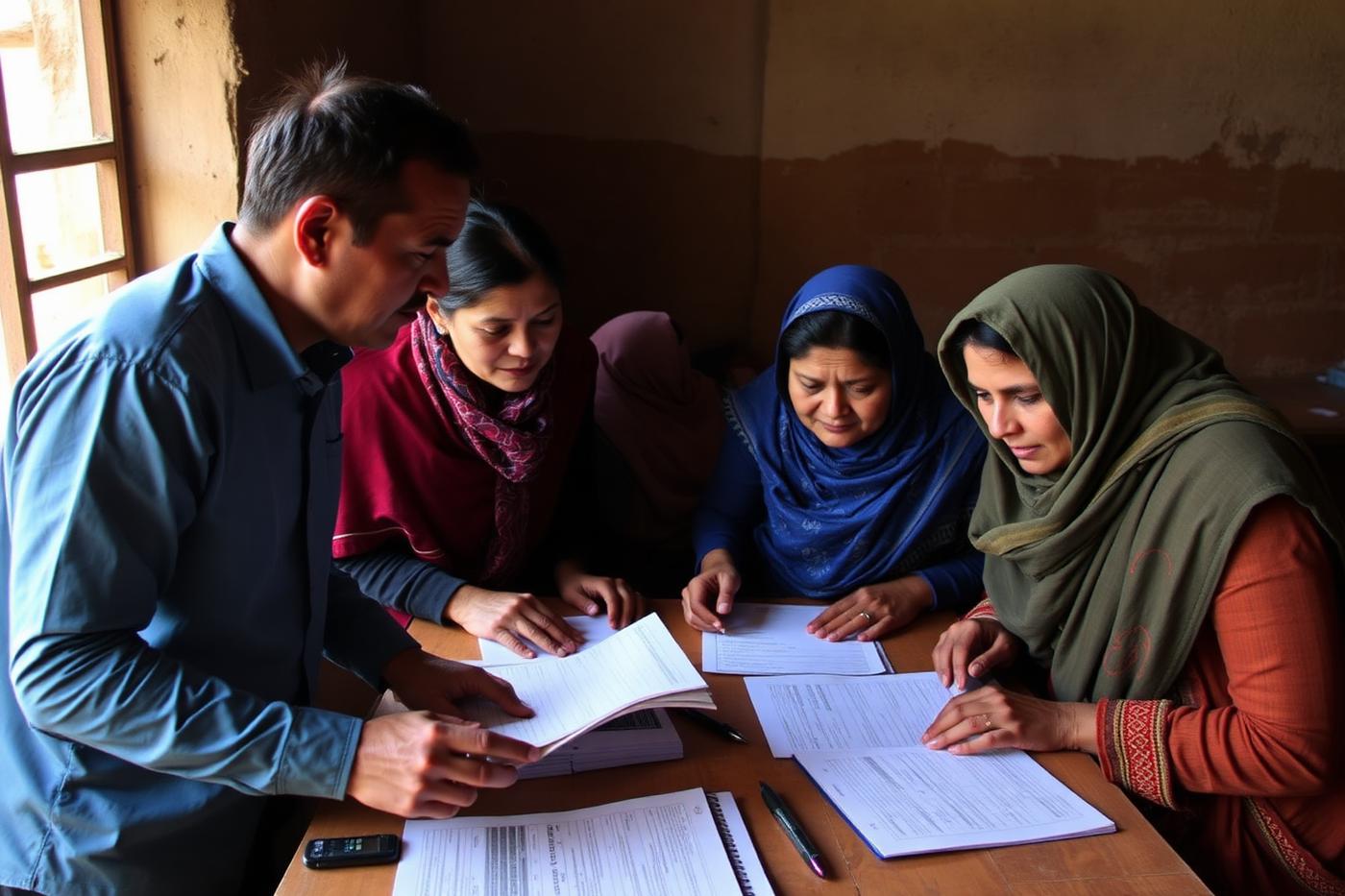
0
Established
0+
Families supported through livelihood initiatives
0
Core programme pillars
0+
Years of grassroots engagement
Conduct research and studies on the diversified issues of informal-sector workers.
Build the capacity of community leaders of informal-sector grassroots, member-based organisations for recognition, visibility, protection, and better livelihoods.
Develop links with concerned government agencies, non-governmental organisations, and alliances both within and outside Nepal.
Support needy people in disaster preparedness and during emergencies.
HomeNet Nepal is a network of grassroots organisations, community leaders, informal-sector worker groups, and allied partners working together for inclusion, recognition, and sustainable livelihoods.
Community-based organisations and groups representing informal-sector workers at the local level.
Networks of home-based workers, street vendors, domestic workers, and other informal-sector workers seeking recognition and rights.
NGOs, international agencies, government bodies, and civil society allies working alongside HNN on programmes and advocacy.
Specific member organisations, membership criteria, and joining processes will be added here once confirmed by HomeNet Nepal.
Since its establishment, one of the major demands and concerns raised by HNN has been the development of an inclusive policy for the urban and rural poor, people with disabilities, marginalised communities, and displaced people.
Since 2003
HNN raises the need for an inclusive policy for the urban and rural poor, people with disabilities, marginalised communities, and displaced people, through campaigns and interactions at local, regional, and national levels.
2013
As a result of these efforts, the Ministry of Cooperative and Poverty Alleviation was convinced to form a draft policy drafting committee.
2013
Considering the key role played by HNN, the Ministry appointed Mr. Om Thapaliya, on behalf of HomeNet Nepal, as a member of the Task Force of the Policy Drafting Committee.
2015
After extensive work, the committee submitted a draft Poverty Alleviation National Policy to the National Planning Commission.
HomeNet Nepal's work has been made possible through long-standing collaboration with national and international organisations.
Logos shown are sourced automatically as placeholders. Official logo files can be uploaded by HNN.
Community organisations, development partners, government agencies, researchers, and volunteers are all welcome to connect with our team and explore ways of working together.